modern mat
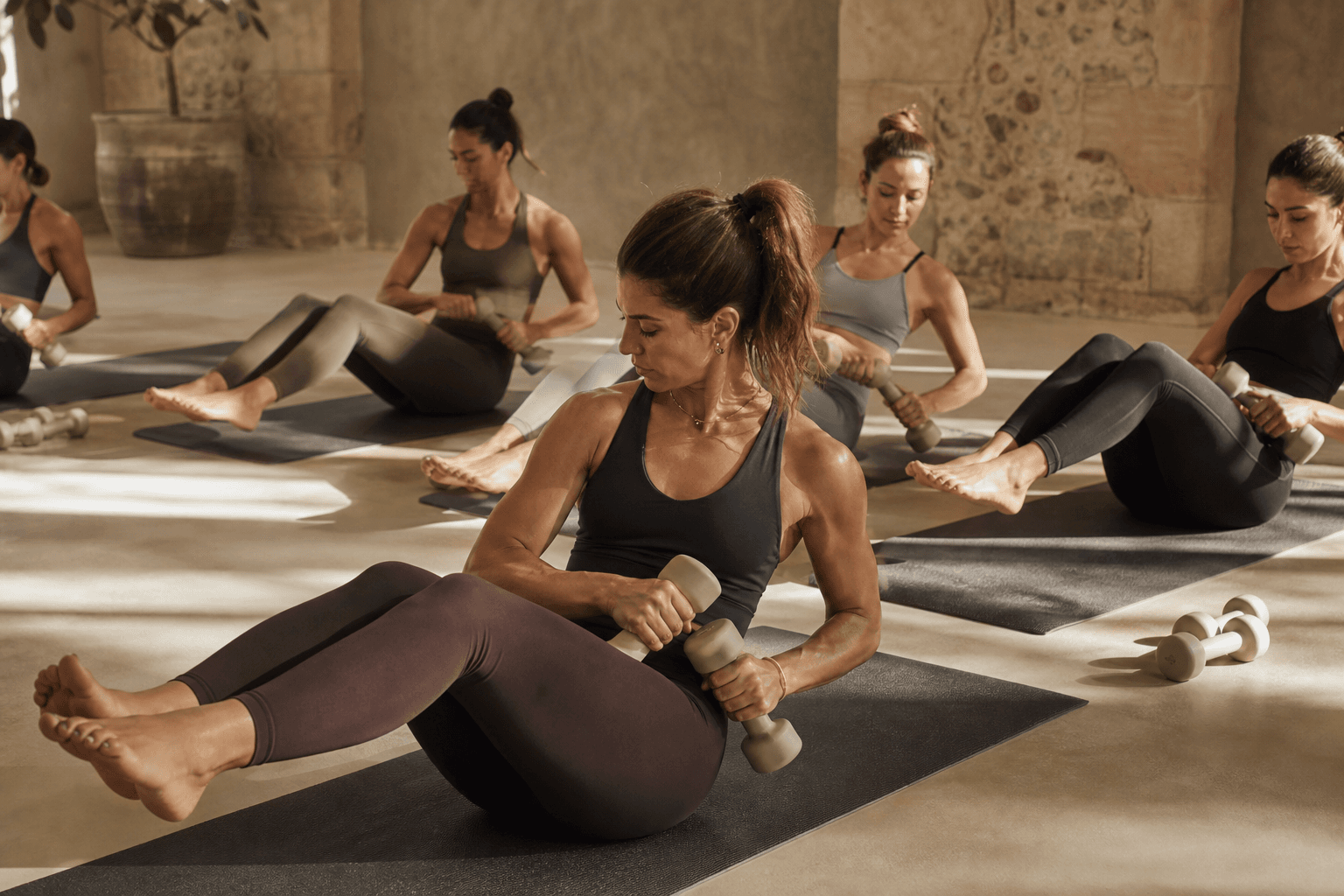
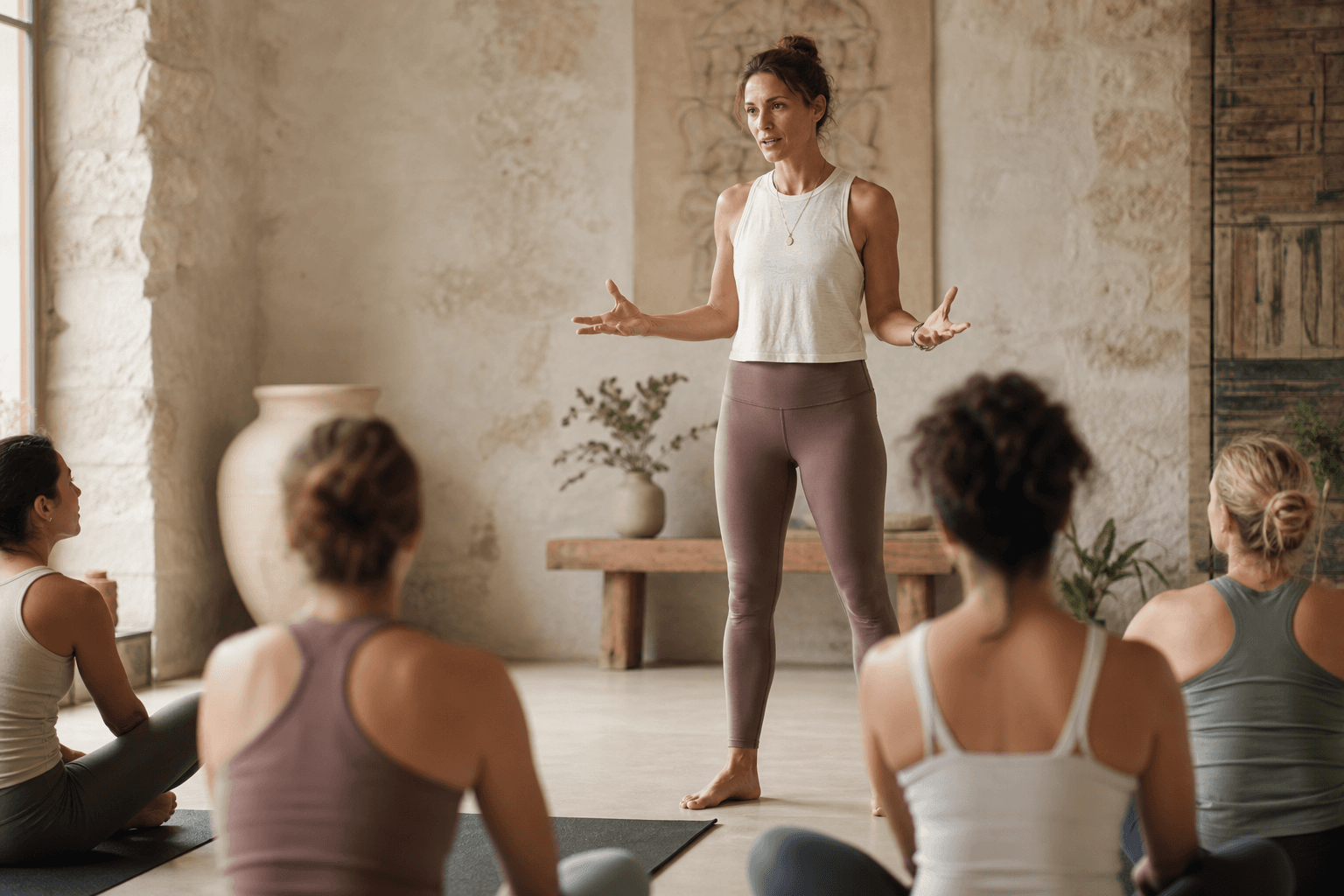
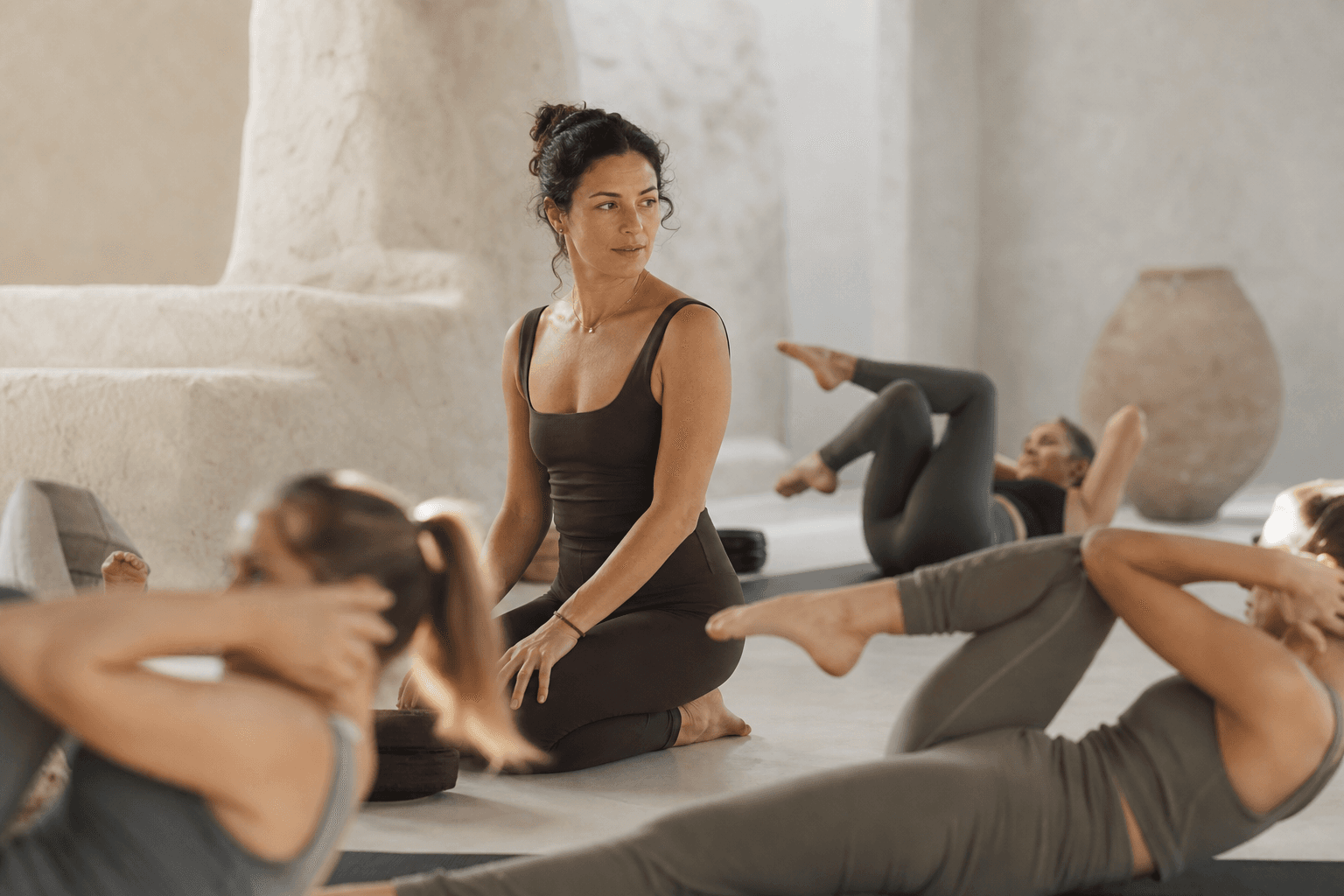
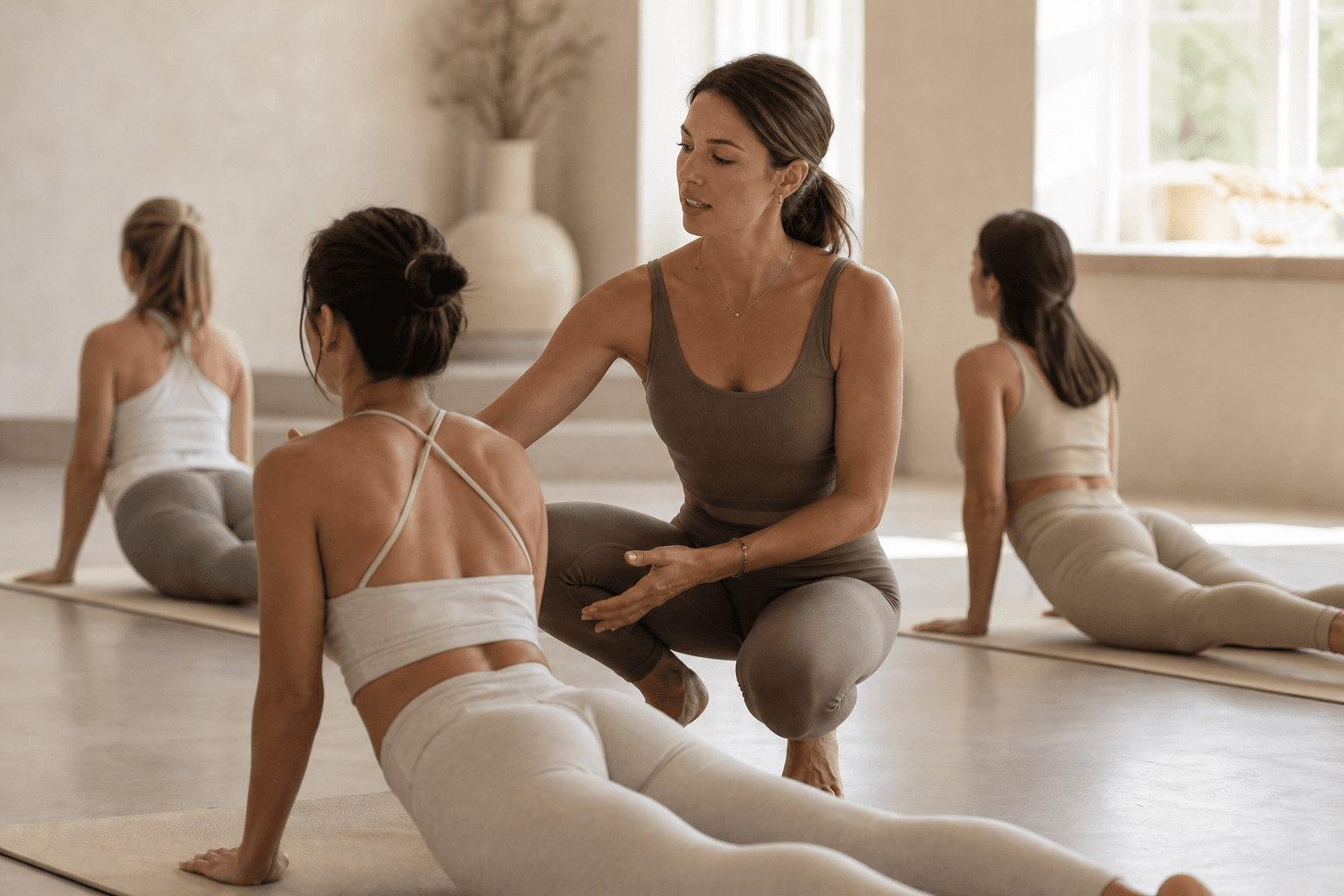
Instructor leading a mat Pilates class

Refinehowyoulead.

Modern Mat is a methodology for teaching movement from the mat — Pilates principles as foundational vocabulary, sculpt and strength taught as full disciplines with real pedagogy, and injury-prevention as a core skill.

Difference

What makes Modern Mat different

Mat-first foundation

Return to Life repertoire, six principles as a universal framework, and honest language for Pilates-inspired mat work — classical series vs. hybrid classes, props that enhance, never gatekeep. Your students need floor space. That's the point.
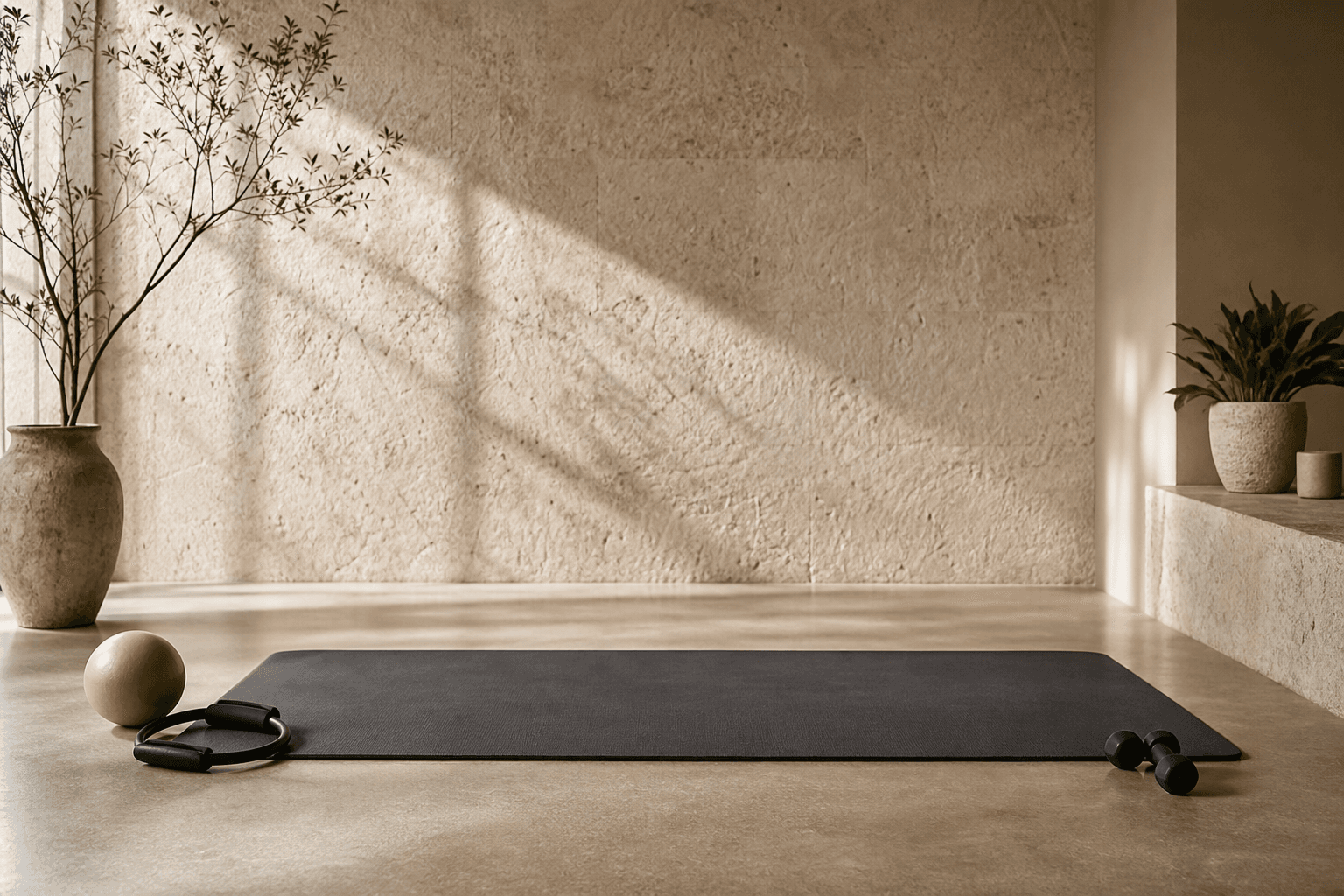
Classical mat exercises on a clean studio floor

Bodies you can read

Anatomy for decision-making in real time — alignment, compensation, breath, effort — not muscles memorized for a test.

Instructor observing alignment and movement patterns

Safety as craft

Scope of practice, client intake, contraindications, when to refer. Confident teaching — not fear-based cueing or watered-down classes.

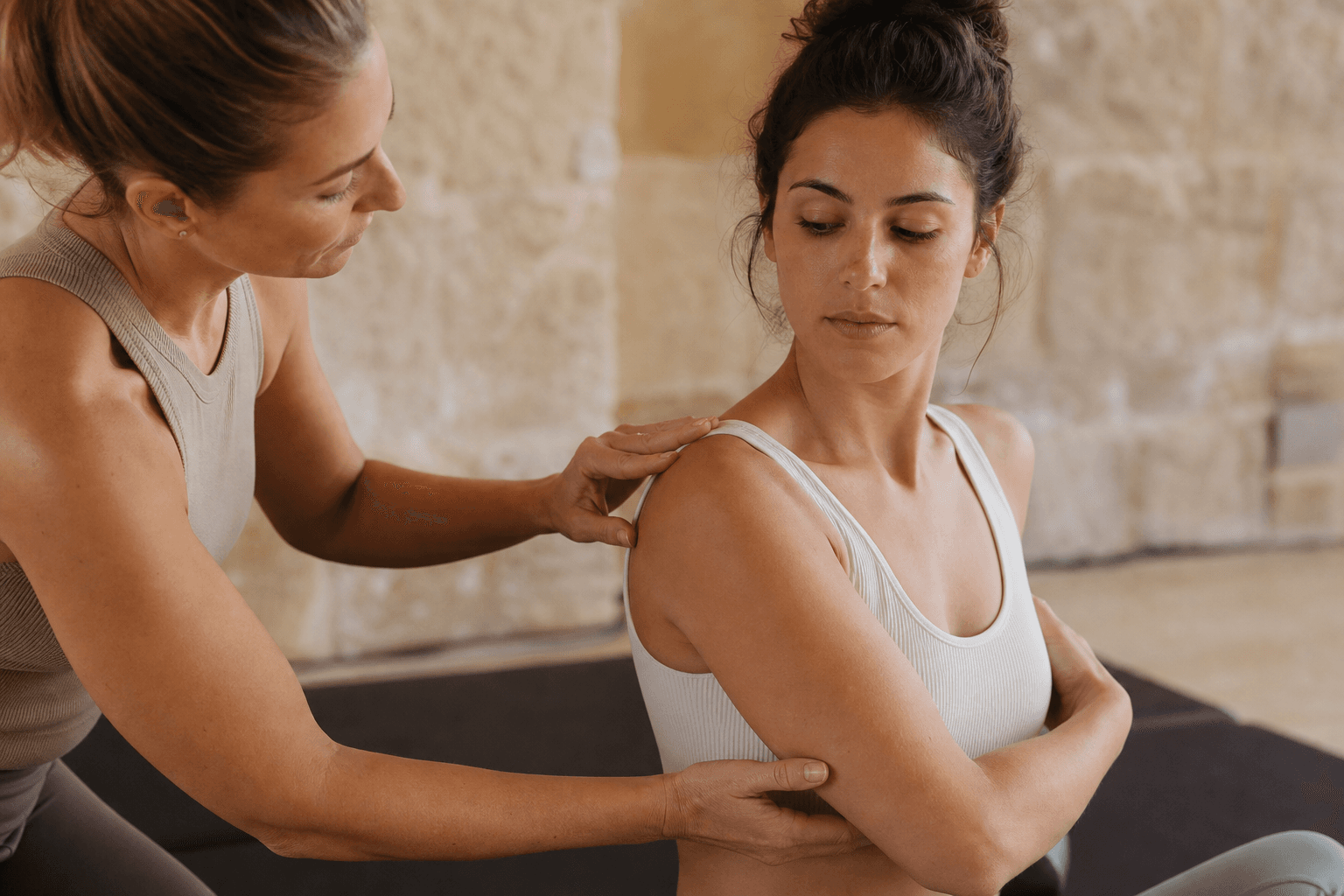
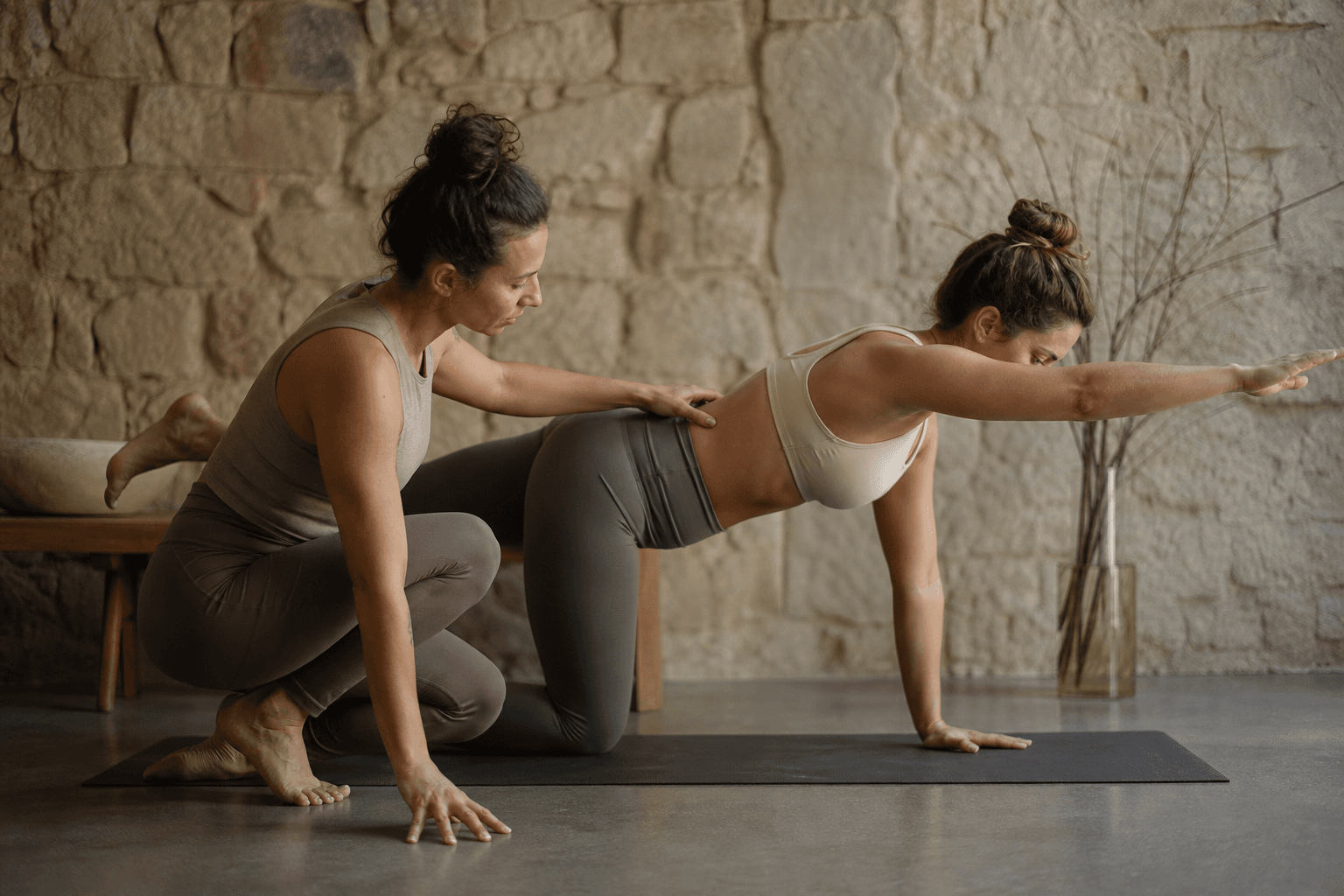
Thoughtful hands-on correction during mat work

Real sculpt & strength

Full exercise libraries with teaching pedagogy — sculpt combos, body-group pairing, and pacing; strength at 6–12 reps with progressive overload. Two ends of one continuum, not Pilates with three-pound weights thrown in.

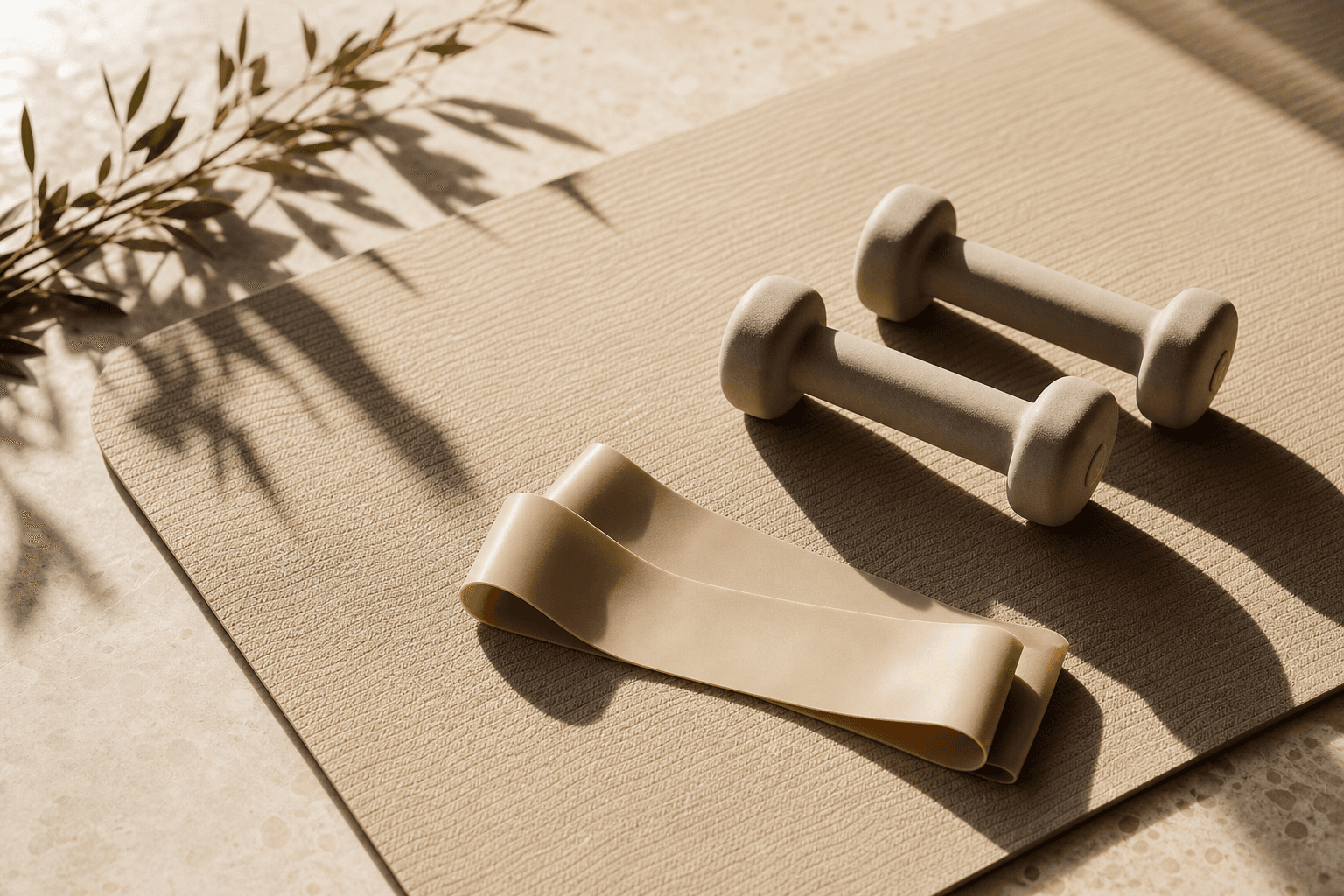
Light weights and mat set up for sculpt and strength work

Format

Two ways to complete Modern Mat

Same ten modules. Same mentor review. Same Modern Mat certification. Choose the track that fits how you learn and where you teach.

Virtual TrackIn-Person Cohort Track
ModulesAll 10 online, self-pacedAll 10 online + two in-person weekends
ProgressionSubmit each module assessment to unlock the nextSame online progression + weekend application labs
PracticumTwo video peer teaching rounds + online written assessment + capstone videoTwo in-person peer teaching rounds + capstone (recorded at Weekend 2 or submitted after)
CertificationSame Modern Mat certificationSame Modern Mat certification
WeekendsNot requiredWeekend 1 and Weekend 2 (Sat–Sun)

🖥 Virtual Track

  • Complete Modules 1–9 in order at your own pace
  • Submit each module assessment before the next module unlocks
  • Module 10 (Appendix) — class plans, sequencing template, virtual setup checklist, and anatomy references — open throughout
  • Module 9 practicum: two video peer teaching rounds with matched peers on the platform
  • Online written assessment and 50-minute capstone class video submission

📍 In-Person Cohort

  • Complete Modules 1–4 before Weekend 1
  • Weekend 1 applies Modules 1–4 — movement labs, teaching practice, workshops
  • Complete Modules 5–8 between Weekend 1 and Weekend 2
  • Weekend 2 — cueing labs, two peer teaching rounds, and capstone class
  • Online modules and assessments are required — weekends are the application layer

Practicum by track

🖥 Virtual Track

Two peer teaching rounds via video with structured feedback on the platform, an online written assessment, and a 50-minute capstone class video submission.

📍 In-Person Cohort

Two peer teaching rounds at Weekend 2, capstone class recorded Sunday afternoon (or submitted within two weeks), plus the same online written assessment and mentor review.

Mat-based movement certification

The curriculum

Ten modules — from mindset and mat foundations through cueing, class design, prenatal, business, and practicum — plus an appendix you can reference anytime. Module 2 is your movement toolkit: classical mat repertoire with a full teaching reference, sculpt pedagogy (including mat cardio), and strength programming. Sculpt and strength live inside Module 2; music and energy management inside Module 6. Each assessed module ends with work your mentor reviews.

Open notebook beside a rolled mat on a warm studio floor

You'll know which track you're on, who you are when you walk in the room, and have a teaching philosophy draft to guide you.

Welcome and program overview, the instructor code, teaching identity, multi-modal philosophy, and growth mindset.

  • Welcome to Modern Mat & program overview
  • The instructor code
  • Defining your teaching identity
  • The multi-modal instructor
  • Growth mindset as teaching practice
  • Module assessment — reflections and philosophy draft
Mat with light dumbbells and a resistance band arranged for class

You'll know why the mat deserves to be taught from — and teach classical mat work, sculpt, and strength with precision, honest modality language, and real programming.

Why the mat, Return to Life and classical mat Pilates, sculpt class-building, strength on the mat, props, and how modalities connect.

  • Why the mat
  • Classical mat Pilates
  • Sculpt
  • Strength training on the mat
  • Props & equipment
  • Module assessment — reflections and movement practice
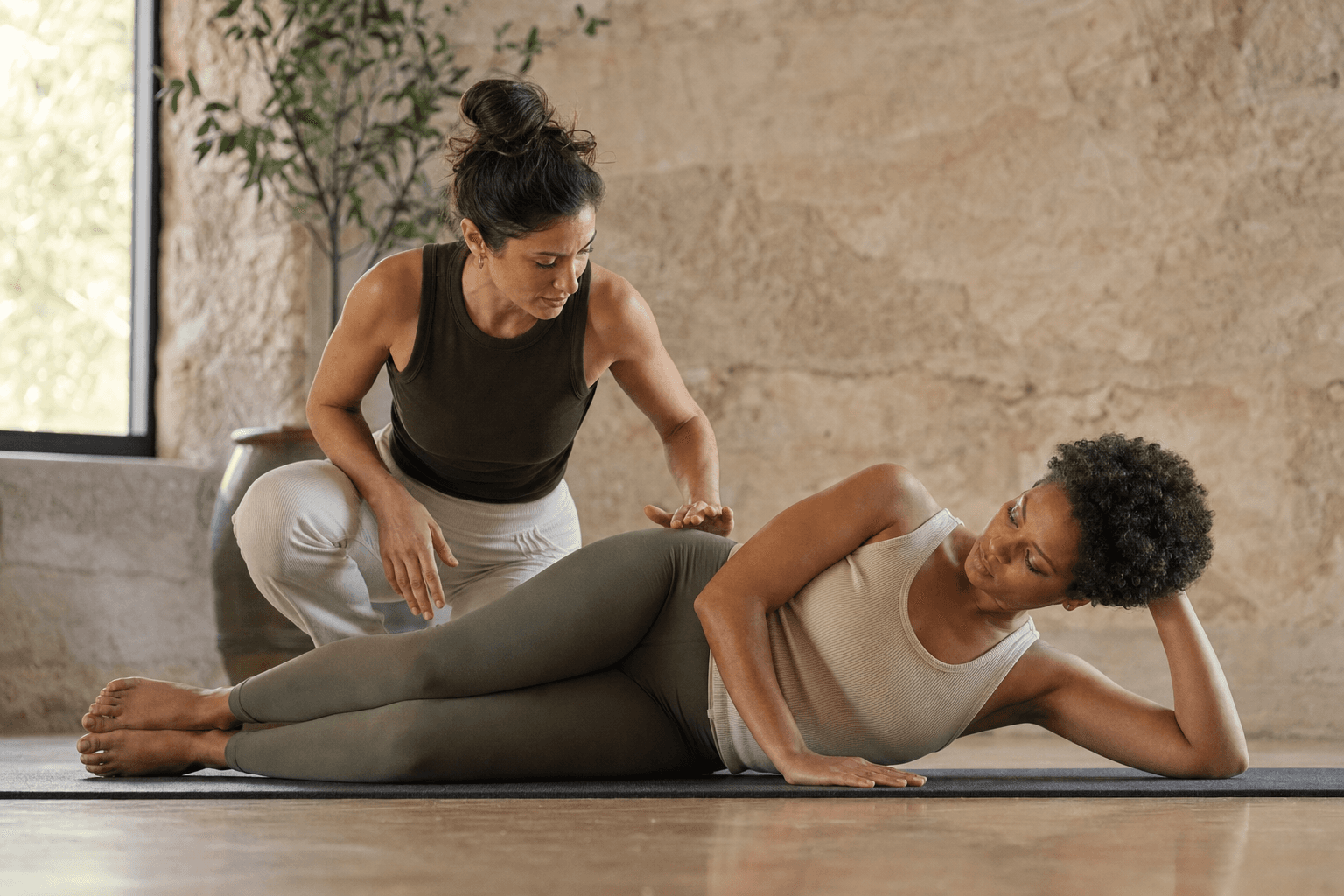
Instructor observing a student in neutral spine alignment on a mat

You'll read a body in real time and cue spine, core, hips, and shoulders with precision and safety.

Movement terminology, muscle and bone overview, spine, core, pelvic floor, hips, knees, shoulders, warm-up science, and building your observational eye.

  • Anatomical & movement terms
  • Overview of muscle & bone anatomy
  • The spine — structure and spinal positions
  • The core — deep stabilizers and cueing engagement
  • Pelvic floor — what instructors need to know
  • Hips & pelvis — lower body part 1
  • Knees, ankles & feet — lower body part 2
  • Shoulder girdle & upper body
  • Warm-up & cool-down science
  • Reading a body & observational eye
  • Module assessment — reflections and observational practice
Hands-on form adjustment during a mat-based movement class

You'll modify in real time, know when to refer out, and teach safely without fear-based cueing.

Safety-first teaching — common injuries, contraindications, special populations, modifications, referral, and liability.

  • Safety mindset & scope of practice
  • Liability, documentation & intake form
  • Common injuries in mat-based classes
  • Contraindications — absolute & relative
  • Special populations
  • Modifying in real time
  • When to refer out
  • Module assessment — scenarios and intake form practice
Instructor gesturing while cueing a small mat class

You'll hold a room with your voice, presence, and adaptive cueing — in person or on camera.

Verbal and visual cueing, transitions, cueing timing, developing your teaching identity, feedback, camera teaching, and presence.

  • The types of cues — verbal & visual
  • Transitions & setup
  • Cueing timing
  • Developing your teaching identity
  • Feedback and correction
  • Teaching on camera vs. in person
  • When things go wrong
  • Module assessment
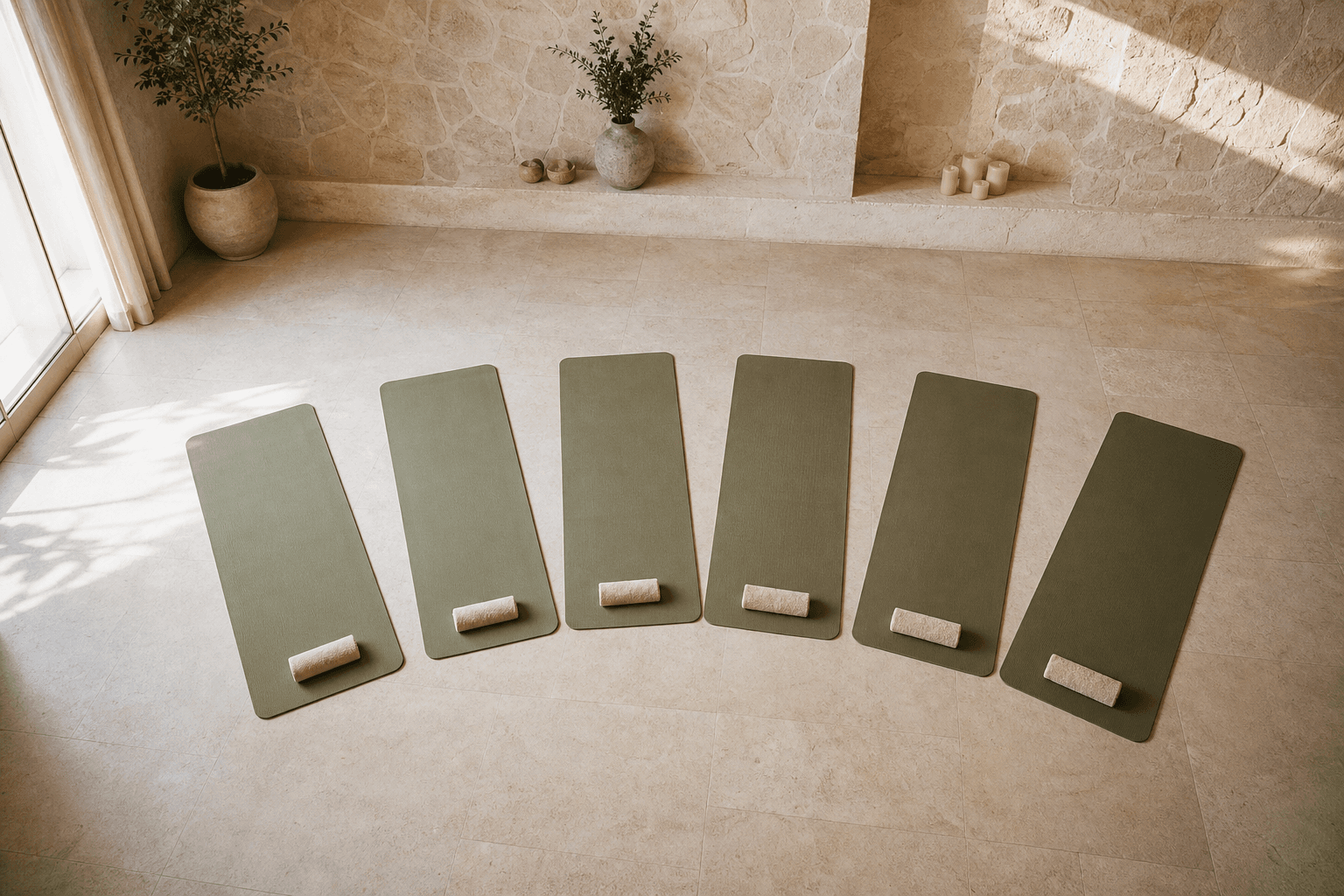
Mats arranged in an arc in a bright movement studio

You'll design hybrid classes with intentional structure, modality integration, and the kind of experience that turns first-timers into regulars.

Class architecture, music and energy, formats, modality integration, pacing, mixed levels, series design, and retention.

  • The anatomy of a class — including music, tempo & energy
  • Class formats
  • Combining modalities without losing integrity
  • Rhythm-based vs. time-based vs. rep-based
  • Teaching to mixed levels
  • Building a series & student retention
  • Module assessment
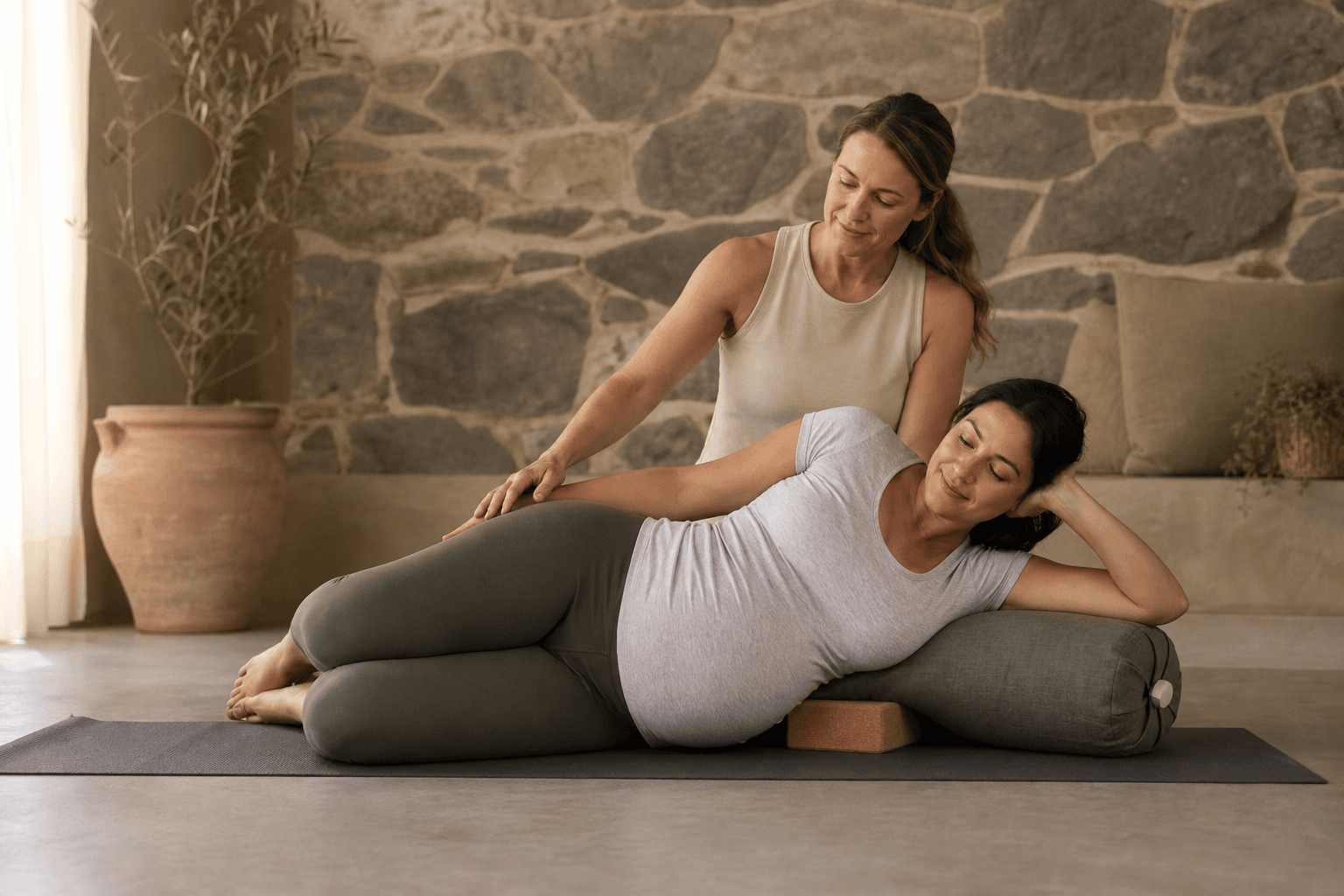
Supportive modification for a prenatal student on a mat

You'll teach prenatal and postpartum students with confidence, capability-focused language, and intelligent modifications built into every class.

Empowering prenatal and postpartum students with evidence-informed movement — trimester physiology, modifications, diastasis recti, the fourth trimester, and holding space.

  • The pregnant & postpartum student in your class
  • What's happening & what it means for movement
  • Movement considerations — pregnancy, fourth trimester & postpartum
  • Pelvic floor & core — diastasis recti
  • Holding space
  • Module assessment
Laptop and planner beside a mat — teaching as a business

You'll price your work, build a client base, and understand the business tradeoffs of a sustainable teaching practice.

Studio, private, and online income paths — pricing, client building, digital presence, online teaching, contracts, and long-term growth.

  • The landscape — your options
  • Pricing your services
  • Building a client base from zero
  • Building your digital presence
  • The online teaching opportunity
  • Contracts, liability & insurance
  • Building toward something
  • Module assessment
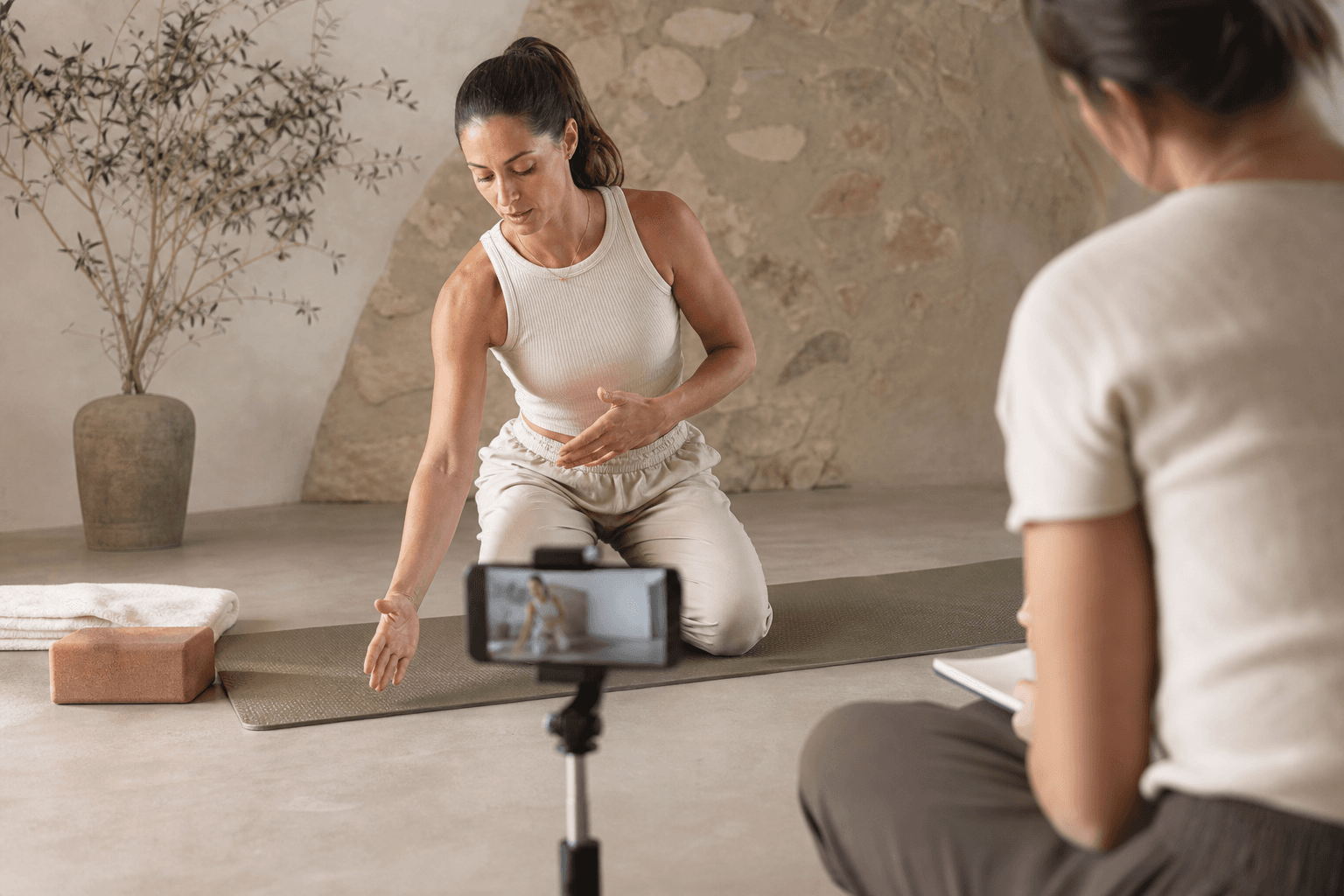
Phone on a tripod recording peer teaching practice on a mat

You'll graduate with peer teaching experience, a recorded capstone class, and Modern Mat certification.

Peer teaching rounds, written assessment, capstone class video submission, and certification.

  • How the practicum works
  • Peer teaching rounds
  • Written assessment
  • Capstone class & video submission
  • What happens after you pass
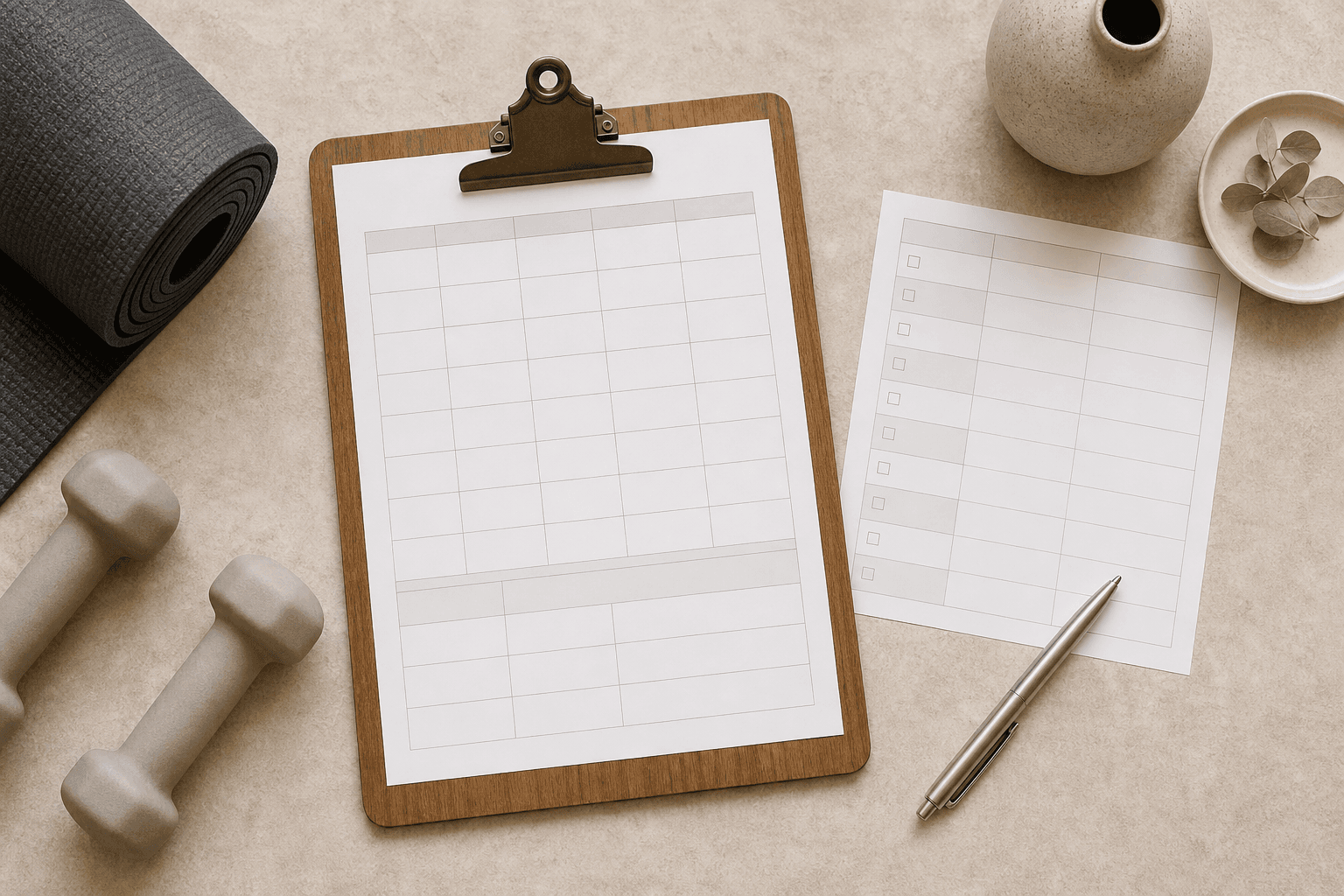
Blank class plan and sequencing templates beside a rolled mat and light dumbbells

You'll have ready-to-adapt class plans, a printable sequencing template, virtual setup checklist, and anatomy references at your fingertips.

Full class plans, printable sequencing templates, virtual teaching setup, and anatomy quick-reference — open throughout for practicum and beyond.

  • Full class plans
  • Sequencing template
  • Technical setup for virtual
  • Muscular anatomy reference
  • Skeletal anatomy reference

Deliverables

What you'll actually build

  • Teaching philosophy draft

    A living document — who you are when you walk in the room — revised across the program.

  • Classical mat teaching reference

    Return to Life repertoire, exercise-by-exercise cueing with regressions and progressions, and how Basic, Intermediate, and Advanced orders compare — the vocabulary for Pilates-inspired mat work.

  • Sculpt & strength libraries

    Endurance-load sculpt with combos, pairing, and pacing; strength work organized by position and load — upright, supine, hinged, lower body, and core — with the same precision standards as everything else in the training.

  • Client intake form

    Printable Modern Mat intake template — warm, brief, built to open the conversation before class starts.

  • Pilates, sculpt & strength class design

    A sequenced 45–50 minute class with position logic, peak intensity, and cool-down flow — applying sculpt pacing or strength load programming, ready for mentor review.

  • Observational framework

    Alignment, movement pattern, compensation, breath, effort distribution — the lens you use on every body in every class.

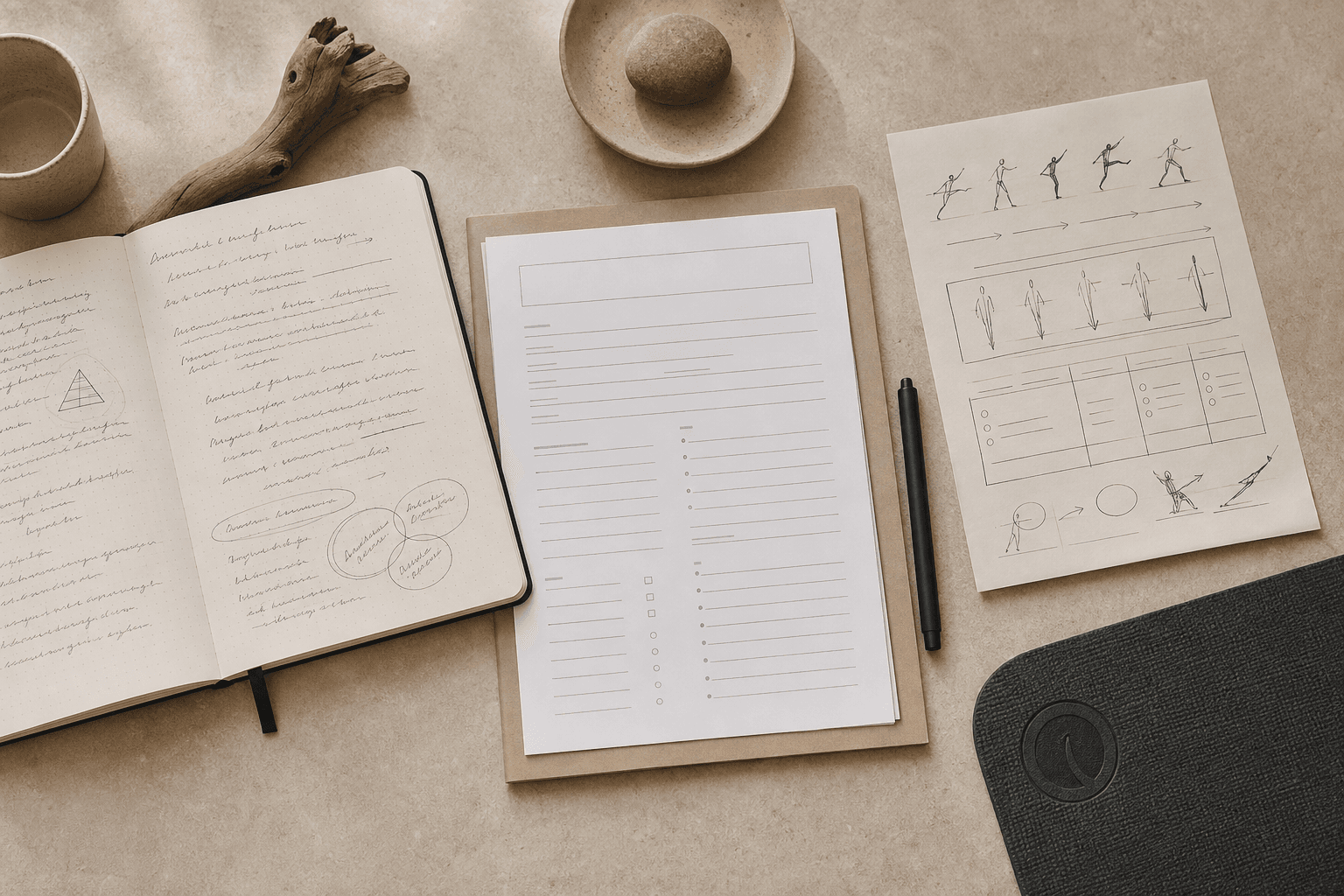
Teaching philosophy notes, intake form, and class plan on a desk

Learning path

How you'll learn

Ten modules online — Mindset & Philosophy through Practicum — with mentor-reviewed assessments unlocking the next module as you go. Module 1 opens with welcome and program overview; Module 10 (Appendix) stays available for reference throughout. Virtual students work self-paced with video peer teaching rounds on the platform. In-person cohort students complete Modules 1–4 before Weekend 1, Modules 5–8 between weekends, and apply the practicum at Weekend 2.

  • Module 1 — Mindset & Philosophy: welcome, instructor code, teaching identity, and your first philosophy draft
  • Module 2 — Foundations: Return to Life and classical mat exercises, sculpt class-building (combos, body-group pairing, pacing), strength on the mat (load, reps, progressive overload), and props
  • Modules 3–4 — Anatomy and safety before you teach anyone
  • Modules 5–6 — Cueing & presence, then class design with music, tempo, and energy
  • Modules 7–8 — Prenatal & postpartum, then the business of teaching
  • Module 9 — Practicum: two peer teaching rounds, online written assessment, and capstone video
  • Module 10 — Appendix & reference: class plans, sequencing template, virtual setup, anatomy references — open anytime
  • Same certification — capstone class video and mentor-reviewed assessments
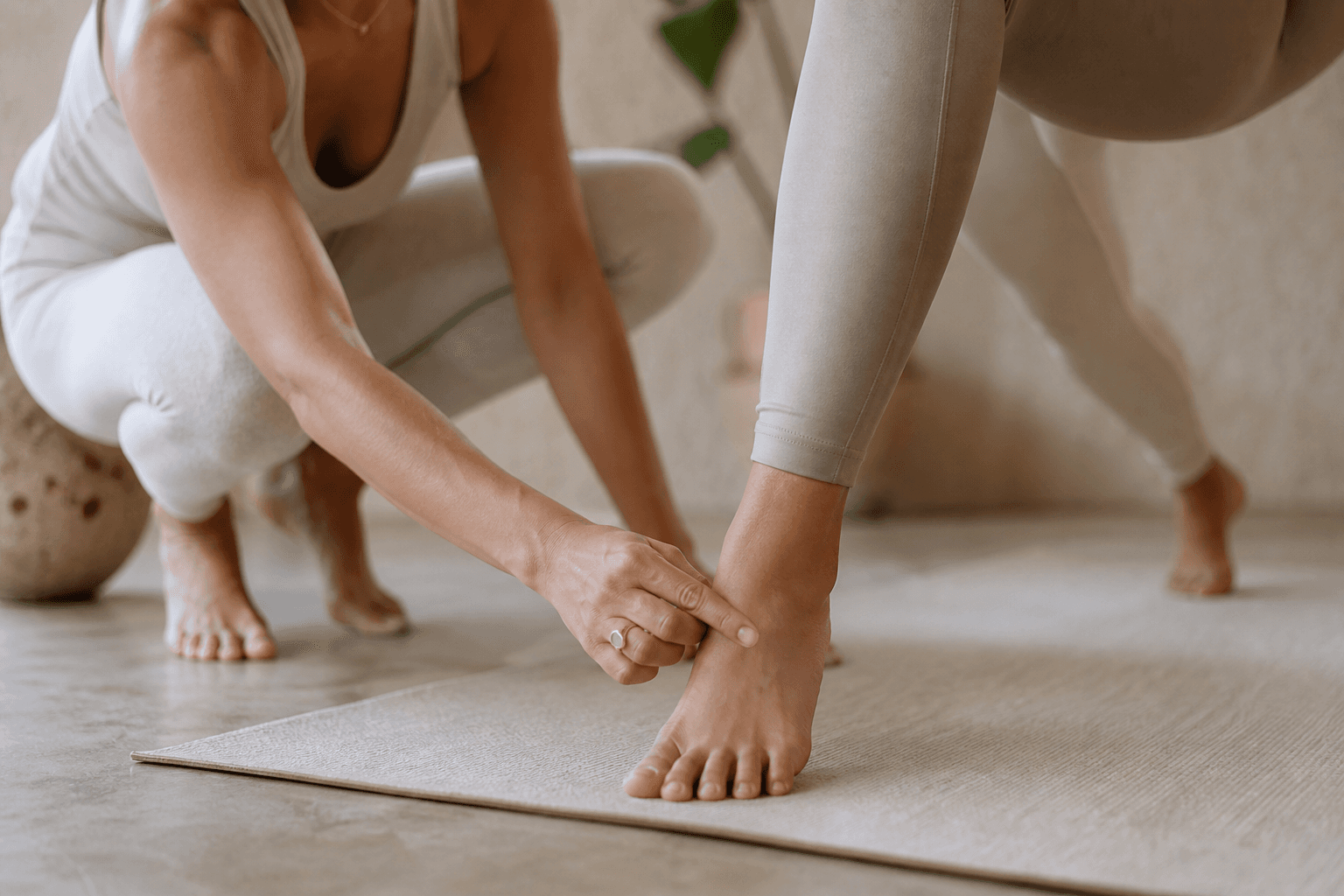
Close detail of hands and feet in precise mat work

Methodology

Specific. Opinionated. Modern.

Most trainings teach you exercises. Modern Mat teaches you how to teach — with a mat-first foundation rooted in the classical repertoire, anatomy you use in the room, safety without fear, and sculpt & strength programming built on endurance pacing and progressive overload.

Read bodies in real time

Alignment, movement pattern, compensation, breath, effort distribution — the observational framework you use on every student, not anatomy memorized for a test.

Precision over volume

Neutral spine and controlled load across modalities. Sculpt builds endurance with combos and pacing; strength builds load tolerance at 6–12 reps. When form breaks down, reduce load or range — adaptation, not exhaustion for show.

Honest modality language

Return to Life repertoire as context, Pilates-inspired when that's what you're teaching. Graduates know the difference between the classical series and hybrid mat work — and how to answer when a student asks, "Is this Pilates?"

Safety without fear

Modify in real time, document professionally, refer when it's outside your scope. Confident teaching — not catastrophizing or hedging every cue.

Music and tempo as programming

Rhythm-based vs. time-based teaching, energy arcs across a class, and when the beat drives the work vs. when load should dictate tempo.

Instructor reading the room while leading a mat class

Fit

Who this is for

  • For you if You've never taught before and want a rigorous start — identity and philosophy before choreography.
  • For you if You're already certified and want mat, sculpt, or strength taught as an integrated system with real programming.
  • For you if You teach online and your students often have only a mat — substitutes and accessibility matter.
  • Not for you if You want a binder of choreography without teaching craft, safety, or business fundamentals.
  • Not for you if You need a classical Pilates certification — Modern Mat teaches from the tradition, not in it.
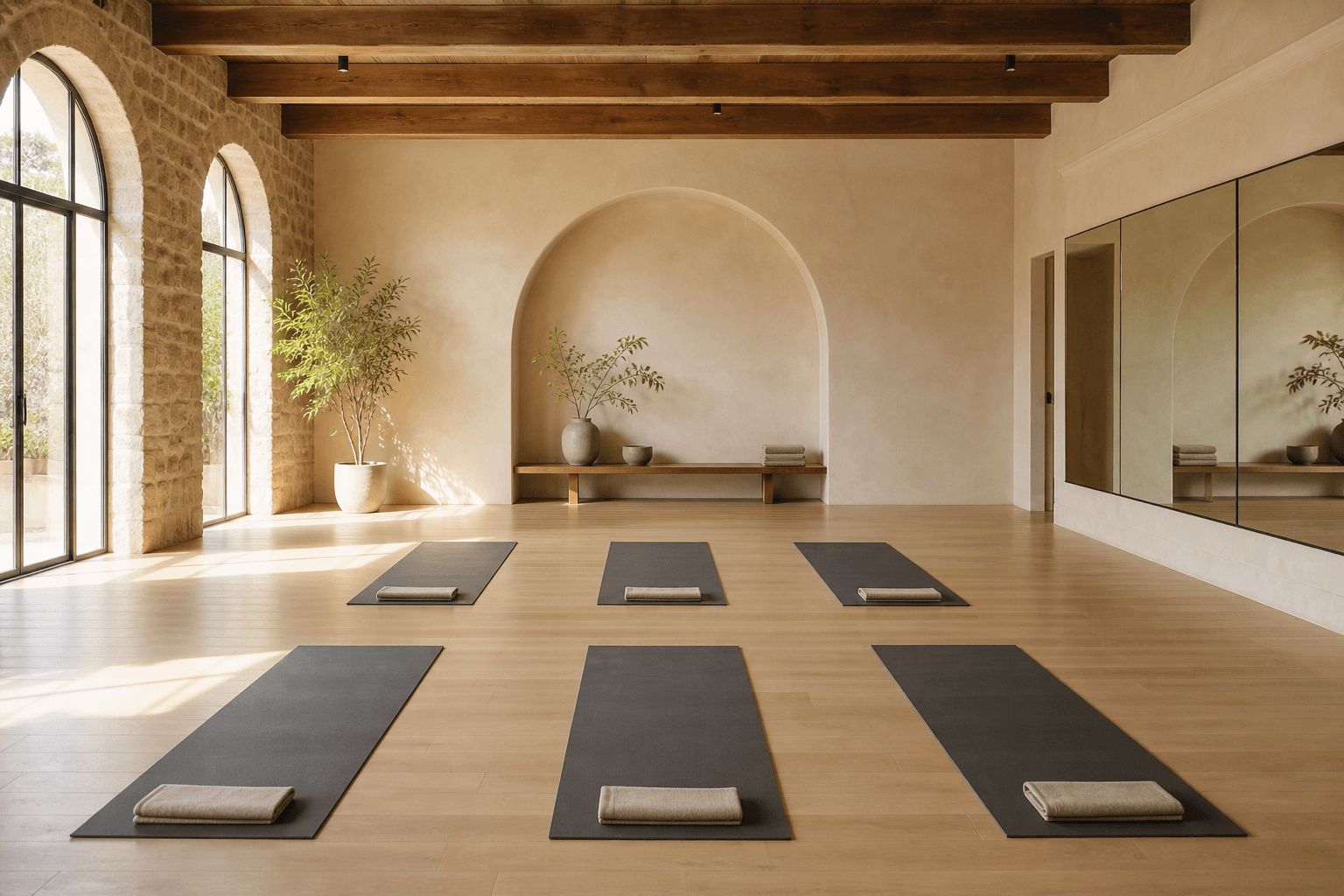
Empty studio with mats prepared before class

Start teaching on purpose.

Beta cohort enrolling now — applications reviewed on a rolling basis.